Bathroom remodel cost is one of the first questions homeowners ask, and for good reason. A bathroom renovation can be a meaningful investment, but the actual price depends on much more than square footage or a national average pulled from a generic list. Scope, layout, plumbing, materials, tile work, hidden conditions, and building logistics all shape the final cost.
For homeowners in New York City, Manhattan, Long Island, and Northeast New Jersey, those variables can become even more important. Renovating in an apartment, condo, or co-op often involves approvals, scheduling constraints, access limitations, and building requirements that do not show up in broad national pricing guides. That is why bathroom remodel cost should be understood as a function of decisions and conditions, not just a single number.
This guide is designed to help readers understand what actually affects bathroom remodeling cost, how to separate a cosmetic update from a full remodel, and how to budget with fewer surprises. The goal is not to overpromise price certainty. It is to give homeowners a clearer framework for planning before they reach out.
How much does a bathroom remodel cost?
Bathroom remodel cost varies widely because bathrooms can vary widely. A project that keeps the existing layout and updates finishes will have a very different cost structure from a remodel that moves plumbing, upgrades electrical, rebuilds the shower, and addresses older building conditions behind the walls.
That is why averages only go so far. They can give general context, but they do not explain what is actually included, what level of finish is assumed, or what project conditions are shaping the price.
Why bathroom remodeling costs vary so widely
The biggest factors that affect bathroom remodel cost are project scope, bathroom size, layout changes, plumbing work, tile installation, fixture selections, and any repairs or upgrades behind the walls.
Two bathrooms of similar size can have very different budgets if one involves simple replacement work and the other includes waterproofing upgrades, custom storage, premium materials, and electrical improvements. The same is true when comparing a straightforward suburban bathroom update with a renovation inside a New York apartment building that requires approvals, insurance paperwork, protected common areas, and restricted work hours.
Why averages only tell part of the story
Averages often flatten the details that matter most. They may not tell you:
- whether demolition and disposal are included
- whether plumbing stays in place or moves
- whether waterproofing and ventilation upgrades are part of the scope
- what fixture quality is assumed
- how much tile work is included
- whether hidden repairs are likely
- whether custom millwork or specialty glass is part of the design
- how site logistics affect labor and coordination
A helpful cost conversation starts with scope, not a headline number.
The biggest factors that affect bathroom remodel cost
Understanding cost drivers helps homeowners make better decisions early. It also helps explain why one quote may differ significantly from another.
Size of the bathroom
Larger bathrooms usually require more tile, more waterproofing, more labor, and more fixtures or finish material. That said, size alone does not determine cost. Small bathrooms can still be expensive when they involve high-end materials, custom work, or extensive plumbing and electrical upgrades.
Cosmetic update vs full remodel
A cosmetic update typically focuses on surface-level changes such as paint, a vanity swap, mirror replacement, limited fixture updates, or new accessories. A full remodel usually includes demolition, new finishes, waterproofing, tile installation, plumbing fixture replacement, lighting changes, and possibly behind-the-wall work.
This difference matters. A bathroom that looks simple in finished photos may have required significant labor and technical work to reach that point.
Keeping the existing layout vs moving plumbing
Is it cheaper to keep the same bathroom layout? Yes, keeping the same bathroom layout can help reduce remodeling costs because it usually limits plumbing changes, electrical adjustments, and construction complexity.
Moving a toilet, relocating a shower drain, shifting a vanity wall, or reworking supply lines can expand both labor and risk. Sometimes layout changes are worth it because they solve major functional issues. Other times, thoughtful design within the existing footprint creates a better return on budget.
Material and fixture selections
Bathroom remodel price is heavily influenced by the level of finish selected. Vanity construction, countertop material, plumbing fixtures, shower systems, lighting, mirrors, hardware, and accessories all affect cost.
This does not mean homeowners need to choose the most expensive option in every category. It means selections should be made strategically, with an understanding of where spending improves function, durability, or visual impact.
Tile scope and installation complexity
Tile is one of the biggest cost drivers in many bathroom remodels. The material itself affects cost, but labor often affects it just as much. Large-format tile, niches, trim details, feature walls, wrapped curbs, herringbone layouts, and full-height shower tile can all increase installation time and complexity.
Tile work is also tied to substrate preparation and waterproofing. A bathroom remodel cost conversation that focuses only on tile material misses a major part of what makes the installation successful.
Electrical and lighting upgrades
Bathrooms often benefit from improved lighting, upgraded exhaust fans, GFCI protection, additional outlets, heated floors, and better mirror lighting. These items add cost, but they can also significantly improve comfort and usability.
Waterproofing, ventilation, and behind-the-wall repairs
Some of the most important bathroom remodeling costs are not immediately visible in the finished room. Waterproofing, subfloor repair, wall repairs, plumbing corrections, ventilation improvements, and code-related updates are essential parts of a durable renovation.
These are also common reasons estimates vary. One contractor may include more comprehensive behind-the-wall work than another.
Bathroom remodel cost by project type
Different bathroom types tend to carry different priorities, which affects scope and budget.
Small bathroom remodel cost considerations
A small bathroom remodel cost may appear lower at first because the room uses less material. But smaller bathrooms can still involve complex labor, custom fitting, and dense coordination. Tight spaces often require more precision, especially around tile layout, storage planning, and fixture clearances.
Guest bathroom remodel cost considerations
Guest bathroom remodel cost usually depends on whether the room is being lightly refreshed or fully redesigned. These projects often emphasize space-saving storage, durable finishes, practical lighting, and easy maintenance. If the room is located in a co-op or condo, approvals and site logistics may also affect the project budget.
For readers comparing options, the Guest Bathroom Remodeling services can help clarify how scope decisions influence the final result.
Primary bathroom remodel cost considerations
Primary bathrooms often involve more extensive scope, including larger showers, more storage, upgraded lighting, double vanities, and a more personalized design direction. As a result, the total cost is often shaped by both room size and the level of customization.
Luxury bathroom remodel cost considerations
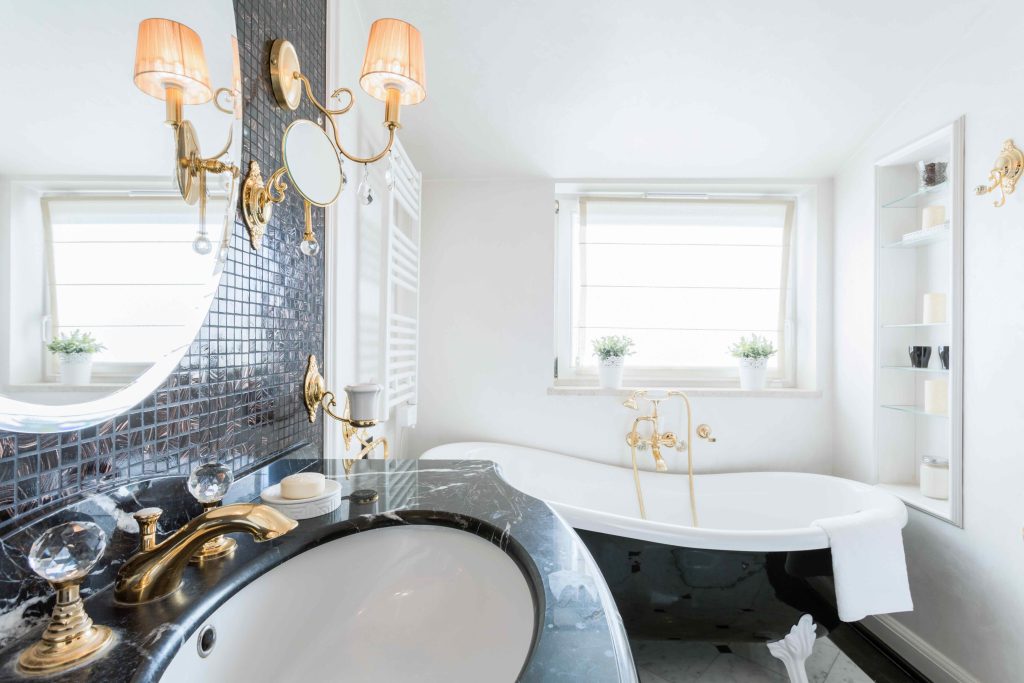
Luxury bathroom remodeling usually includes elevated materials, specialty tile, custom millwork, premium plumbing fixtures, upgraded lighting, detailed shower systems, and more tailored design choices. These projects may also involve more extensive planning and longer lead times for specialty products.
What increases bathroom remodeling costs?
Some choices and conditions consistently push bathroom remodel cost higher.
Custom vanities and specialty storage
Custom storage can improve function dramatically, especially in apartments and smaller homes. But custom millwork, tailored sizing, specialty interiors, and integrated details increase both fabrication and installation cost.
High-end stone and tile selections
Premium materials can raise both material and labor costs, particularly when the product requires careful handling, additional sealing, specialty cuts, or more intricate detailing.
Structural or layout changes
Opening walls, reframing, altering room configuration, or significantly changing fixture locations usually adds complexity and cost.
Older building conditions and hidden issues
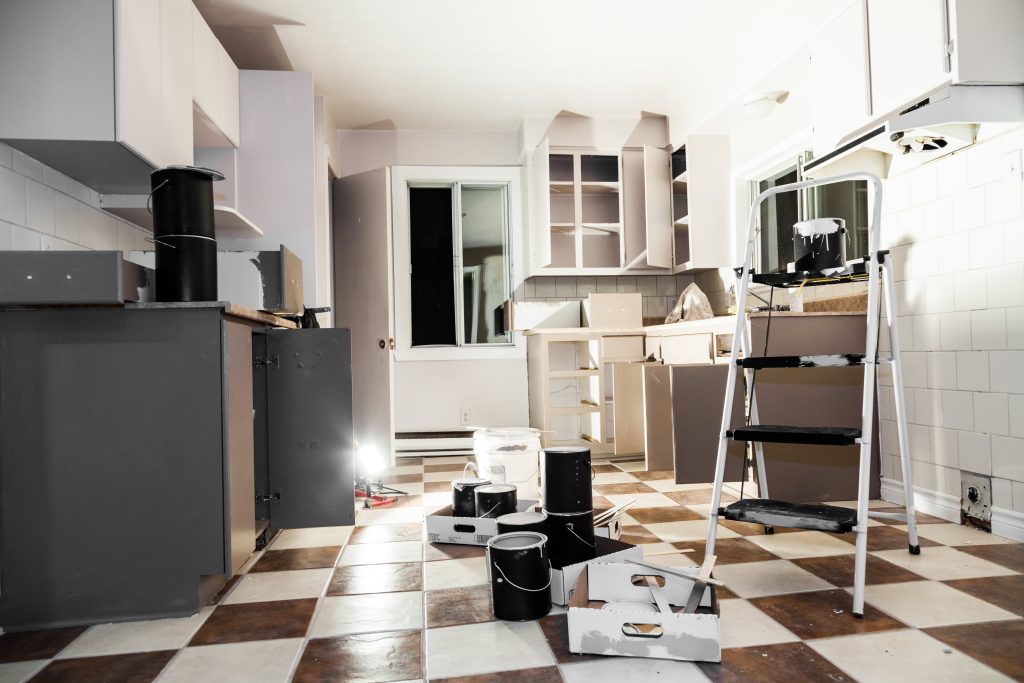
In older homes and apartments, the condition behind the walls can shape the entire renovation. Water damage, uneven framing, outdated plumbing, electrical deficiencies, or inadequate ventilation can all affect the scope once demolition begins.
Building requirements, approvals, and site logistics
Why do bathroom remodel estimates vary so much? Bathroom remodel estimates vary because every project has different materials, labor needs, layout conditions, fixture selections, and site constraints. A simple refresh and a full renovation can have very different cost structures.
In apartments, condos, and co-ops, building requirements can also add time and coordination. Insurance certificates, work-hour restrictions, elevator scheduling, protected corridors, debris removal rules, and board approvals can all shape labor planning and job sequencing.
What helps control bathroom remodel cost?
Controlling cost does not mean cutting corners. It means making decisions that align the scope with the priorities of the project.
Keeping plumbing in place
When the existing layout works reasonably well, leaving major plumbing locations where they are can reduce both cost and construction complexity.
Choosing materials strategically
Some of the smartest bathroom remodel budgets focus spending where it matters most. A homeowner may choose a well-built vanity and reliable plumbing fixtures, then simplify a tile pattern or reduce the amount of specialty stone. Good planning helps each dollar work harder.
Finalizing selections early
Last-minute changes can create delays, rush decisions, change orders, and budget drift. Finalizing materials and fixtures earlier helps pricing become clearer and execution become smoother.
Working from a clear design plan
A clear design plan helps control cost because it reduces guesswork. When layout, materials, fixture locations, and project scope are well defined before construction, the renovation is easier to price and manage.
Planning for contingencies
Bathrooms are full of systems hidden behind finished surfaces. A realistic contingency helps homeowners prepare for repairs or upgrades that may only become visible during demolition.
Why the cheapest bathroom remodel quote is not always the best value
It is natural to compare pricing, but the lowest number is not always the clearest or safest number. Quotes can vary because they reflect different assumptions, different levels of detail, and different standards for coordination and execution.
Scope gaps
One estimate may exclude items another includes. Waterproofing details, demolition scope, disposal, finish installation, accessories, permits, protection, and project management can all be handled differently. A low quote may simply leave more unresolved.
Communication issues
Bathroom renovations involve many decisions in a short timeline. Poor communication can create confusion around scope, scheduling, and responsibility. Even when the initial price seems attractive, communication problems can make the overall experience more costly.
Quality and durability concerns
Bathrooms are high-moisture environments. Installation quality matters. If waterproofing, tile prep, plumbing work, or ventilation are handled poorly, the long-term cost can exceed any short-term savings.
The value of coordinated project management
A well-managed project does more than keep the work moving. It helps homeowners understand the scope, sequence decisions properly, coordinate selections, and navigate building logistics. That coordination is a major part of real remodeling value, especially in New York properties where approvals and access often add complexity.
How to budget for a bathroom remodel
A realistic bathroom renovation budget starts with priorities and scope. It should account for visible finishes and the work required to support them.
Prioritizing must-haves vs nice-to-haves
Start by separating essentials from upgrades that would be nice to include if budget allows. For some homeowners, better storage and a larger shower may matter most. For others, lighting, durable tile, or improved ventilation may be the real priority.
Setting a realistic contingency
Bathrooms can reveal hidden issues once demolition begins. A contingency helps homeowners absorb those discoveries without derailing the project.
Thinking beyond surface finishes
What is included in a bathroom remodel cost? Bathroom remodel cost can include demolition, disposal, plumbing work, electrical upgrades, waterproofing, tile installation, fixtures, vanities, paint, accessories, ventilation, permits, project management, and any repairs found during construction.
That is why budgeting based only on visible products often falls short. The hidden work is what makes the finished bathroom perform well.
Talk to MTK about your bathroom remodel scope and budget
Bathroom remodel cost is shaped by many decisions, and the most useful starting point is a clear conversation about your space, your priorities, and the level of renovation you are actually planning. A cosmetic refresh, a guest bathroom update, and a full primary bath remodel can all have very different cost structures.
At MTK Contracting, we help homeowners understand scope before construction begins, so design choices, approvals, and project planning can move forward with more clarity. As a full-service design-build remodeling firm, we manage renovations from concept to completion, which helps reduce handoff issues and supports a smoother overall process.
Explore our Bathroom Remodeling and Guest Bathroom Remodeling services. If your bathroom project is part of a larger apartment or shared-building renovation, see Apartment Renovations and Condo Renovations.
When you are ready to talk through your bathroom goals, renovation scope, and budget priorities, contact us to schedule a consultation.
FAQs
What is included in a bathroom remodel cost?
Bathroom remodel cost typically includes demolition, disposal, plumbing, electrical work, waterproofing, tile installation, fixtures, vanities, finish materials, ventilation, labor, and project management. The exact scope depends on the project.
What makes a bathroom remodel more expensive?
Layout changes, custom storage, premium materials, extensive tile work, behind-the-wall repairs, and difficult building logistics are some of the biggest factors that increase cost.
Is it cheaper to remodel a small bathroom?
Sometimes, but not always. Small bathrooms often use fewer materials, but the labor can still be complex because the work is packed into a tight footprint.
Should I move plumbing during a bathroom remodel?
Only when the functional benefit justifies the added cost and complexity. Keeping plumbing in place is often more budget friendly, but there are cases where a smarter layout makes the investment worthwhile.
How can I budget for a bathroom remodel more realistically?
Start with a clear scope, define your must-haves, finalize selections early, and include a contingency for hidden conditions. The more clearly the project is planned, the easier it is to budget accurately.